

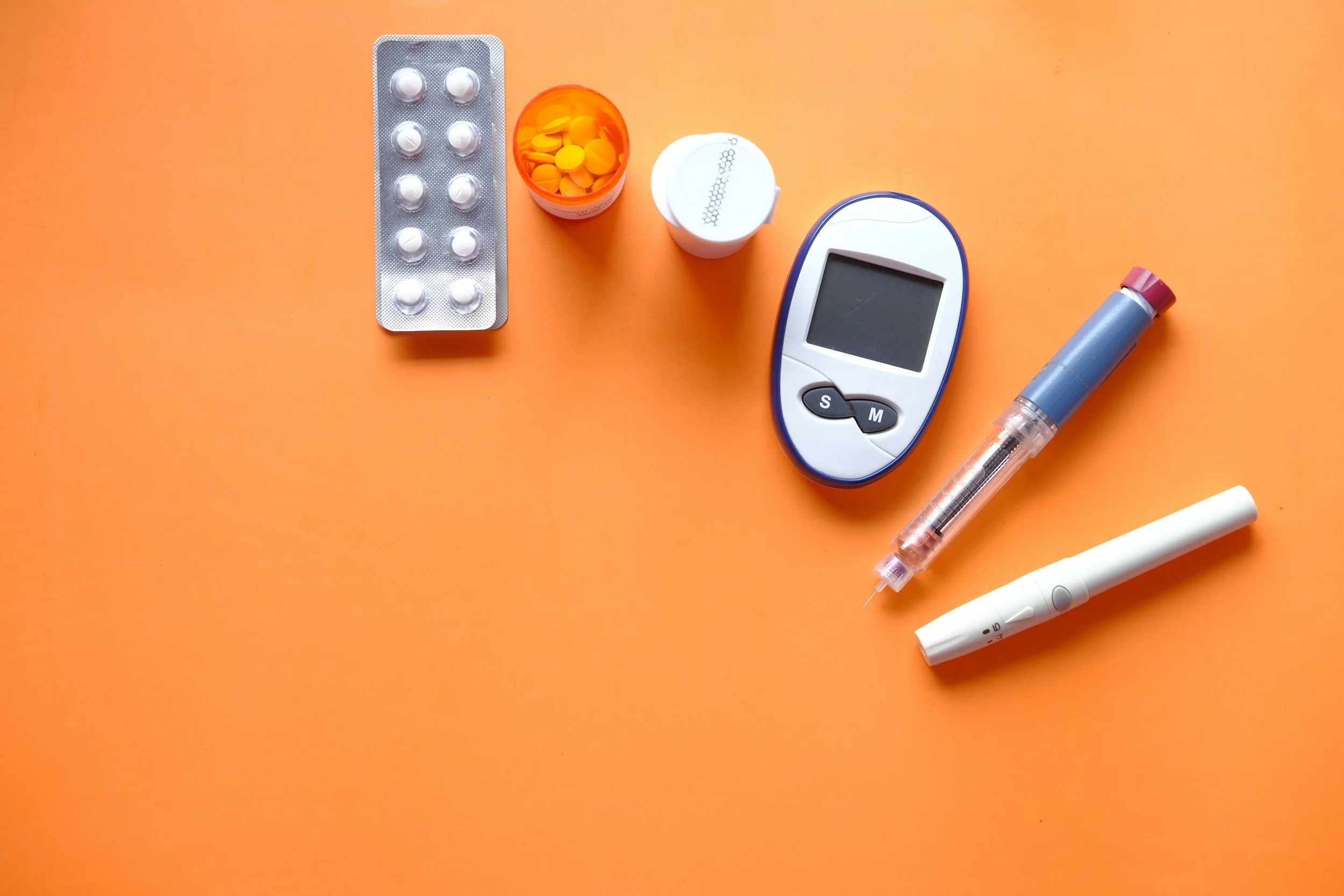
Type 1 Diabetes &
The Standard of Care
Managing a condition is not the same as curing it. At BIOETA, we believe the future of diabetes care lies in restoring the body’s natural ability to heal—without the compromise of lifelong medication.
The Reality of Type 1 Diabetes (T1D)
Type 1 Diabetes is not a lifestyle disease, it is an autoimmune condition that often occur in the early stage of life. In patients with T1D, the body’s immune system mistakenly attacks and destroys the Beta Cells within the pancreas.
-
These cells are the body’s "glucose sensors." They release insulin and also amylin (IAPP)precisely when needed to keep blood sugar stable.
-
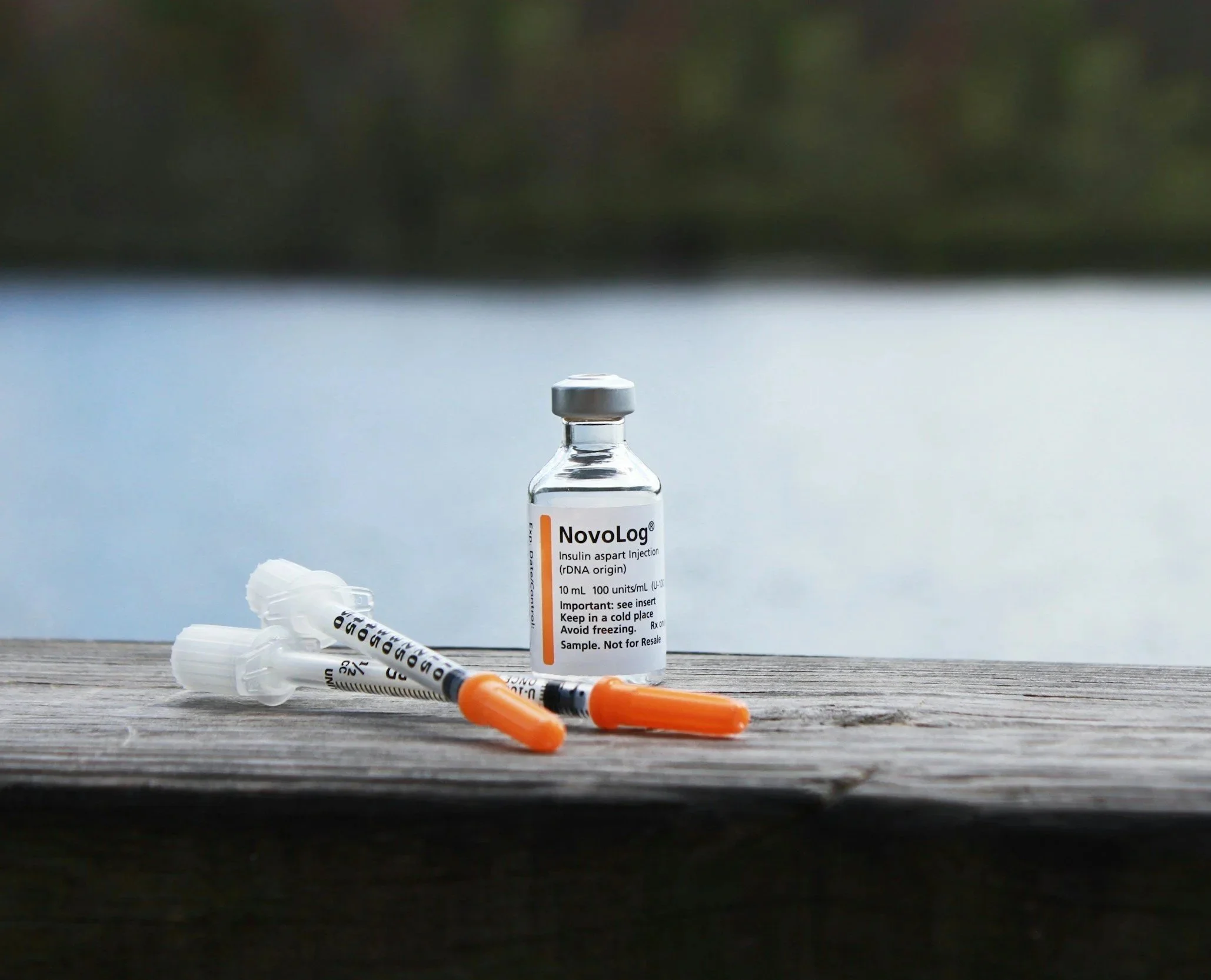
Without Beta Cells, the body loses its ability to regulate sugar. Patients must rely on external insulin injections or pumps just to survive.
While insulin therapy is a solution, it requires constant monitoring, carries the risk of hypoglycemia (excessively low blood sugar), and does not provide the long-term treatment to diabetes.

The Search for a Cure: Islet Transplantation
For decades, scientists have known that the only true "cure" is to replace the missing cells. This procedure is called Islet Transplantation.
-
Doctors isolate healthy Islets of Langerhans (clusters containing beta cells) from a donor pancreas. These cells are infused into the patient, typically through the portal vein into the liver.
-
When successful, these transplanted cells sense blood sugar and produce insulin naturally. In June 2023, the FDA approved the first cellular therapy for T1D (Lantidra), proving that cell replacement can free patients from insulin injections.
Limitations of
Islet Transplantation
If Islet Transplantation works, why isn't it the standard for everyone? Current transplantation faces two massive biological limitations controlling its use to only the severe cases.
-
The body recognizes the new cells as "foreign" and attacks them. Currently, patients must take immunosuppressive drugs for the rest of their lives. These drugs leave patients vulnerable to infections and cancer, and can be toxic to the kidneys.
-
Pancreatic beta cells produce insulin, the hormone that regulates blood sugar. But they also produce a "sticky" partner molecule called Amylin (or IAPP). In a healthy pancreas, Amylin floats away harmlessly. But in a transplant, the stress of the procedure causes Amylin to over-produce. These molecules stick together, forming toxic clumps called Amyloid. These toxic clumps accumulate around the cells and destroy the transplant from the inside out. Even with perfect immune drugs, treatment doesn’t last long due to this metabolic exhaustion.
BIOETA’s Vision
To truly cure T1D, we need a solution that does both:
Protects the cells from immune attack (removing the need for drugs).
Preserves the cells from amyloid burnout (ensuring long-term survival).